
What to Expect When Recovering from Breast Cancer Treatment
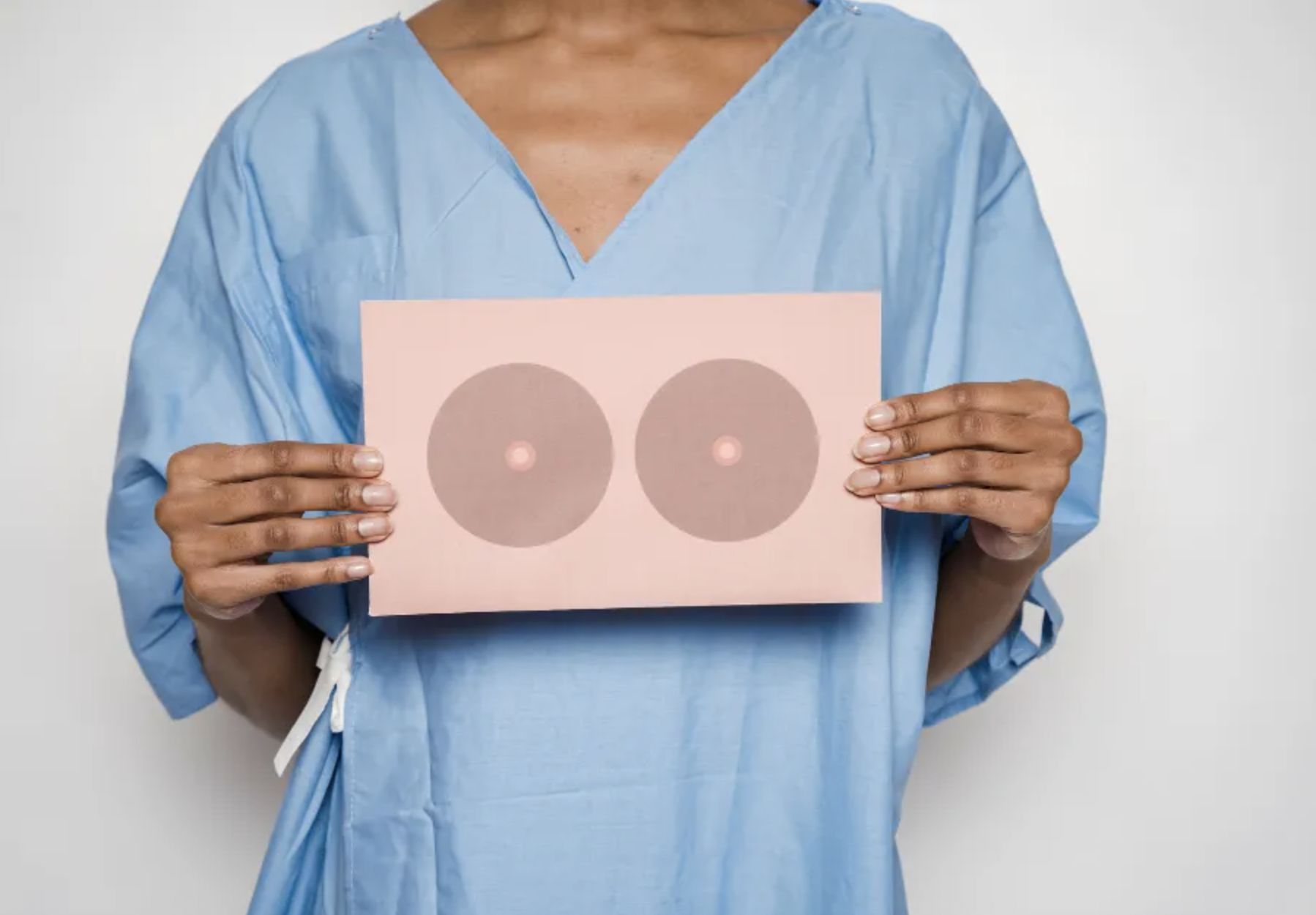
Recovering from breast cancer treatment is more than just healing from surgeries, chemotherapy and/or radiation; it’s a gradual, deeply personal journey. While no two recovery timelines look the same, knowing what to expect physically and emotionally can help you prepare for each stage. At Ink 4 Pink, we’re here to help you navigate this process, and help you feel whole again.
After Surgery
Surgery is often the first big milestone in treatment, and healing afterward is a process of steady, visible progress. If you’ve had a lumpectomy or mastectomy — with or without reconstruction — your body will need time to heal from incisions, adjust to changes in breast shape, and recover strength.
In the first few weeks:
– Tenderness, swelling, and bruising in the chest and underarm areas are common.
– Numbness or tingling can occur due to nerve disruption.
– Limited range of motion may affect your ability to lift your arm(s) or reach overhead.
Months later:
– Scar tissue will begin to soften and fade, though it can take a year or more to fully mature.
– If you had reconstruction, then implants or flaps will settle into place.
– Gentle stretching and prescribed physical therapy can restore flexibility and reduce tightness.
Each milestone after surgery is a reminder that your body is resilient and capable of recovery.
After Chemotherapy
Chemotherapy can be tough on the body, but recovery brings exciting changes — some you can see, and some you can feel.
Early recovery:
– Energy will return little by little, making everyday activities feel easier and more joyful.
– Your immune system begins to bounce back, giving you more strength to enjoy life.
– Food starts to taste better, and your appetite and digestion begin to normalize.
In the months ahead:
– Hair regrowth usually starts within weeks of your final treatment but may grow back with a different texture or color.
– Nail strength, skin hydration, and overall stamina improve gradually.
– “Chemo brain” — mild memory lapses or difficulty focusing — often lessens with rest and mental exercises.
Each day after chemo is a step toward feeling stronger, healthier and more like yourself.
After Radiation
Radiation recovery may take patience, but the improvements are often clear and encouraging.
Short-term effects:
– Redness and dryness in the treated area usually begin to fade within weeks.
– Warmth or tenderness lessens, replaced by more comfortable skin sensations.
Months later:
– Skin regains much of its softness, and discoloration often lightens over time.
– Gentle stretching and massage help keep tissue flexible and comfortable.
– Many survivors notice their energy bouncing back more quickly compared to earlier treatments.
Radiation recovery is a gradual transformation, but with each passing month, you’ll feel more at ease in your skin.
The Emotional Recovery Process
Regardless of the treatment type, emotional healing is just as important as physical recovery. Survivors often describe a complex mix of relief, gratitude, grief and anxiety.
– Body image changes: Scars, altered breast shape, and hair loss can affect self-esteem.
– Fear of recurrence: Worries about the cancer returning are common even after treatment ends.
– Emotional exhaustion: Processing everything you’ve been through can take longer than expected.
Support from friends, family, survivor groups, and counselors can make a world of difference. At Ink 4 Pink, we help survivors regain confidence and self-esteem through medical tattooing.
When You Might Be Ready for Medical Tattooing
For many survivors, a 3-D nipple replacement tattoo is the final step in feeling whole again. Ink 4 Pink funds 3-D nipple replacement tattoos and connects you with compassionate, skilled artists who specialize in this meaningful work.
Most artists recommend waiting 6–12 months after your final breast surgery or reconstruction to ensure:
– Scars are fully healed and softened
– Skin tone and texture have stabilized after radiation
– Your doctor confirms you’re medically ready
Whether it’s months or years after treatment, your timing is the right timing. Because recovery isn’t just about surviving — it’s about thriving.
